Gender Reveal Traditions Around the World: How Cultures Celebrate Baby Announcements
Let's explore how different countries and cultures approach this special moment in a family's journey.
The American Gender Reveal Phenomenon
Origin Story
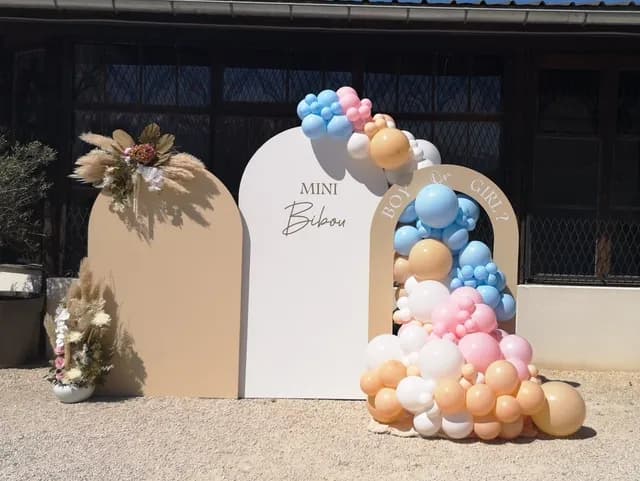
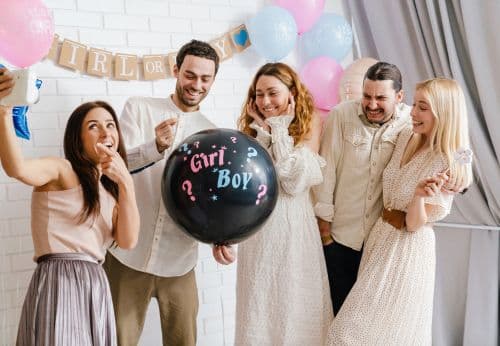
The gender reveal party as we know it began in 2008 when blogger Jenna Karvunidis shared her cake-cutting reveal on social media. The trend exploded, becoming a multi-billion dollar industry.
- Party-style celebration
- Dramatic reveal moment
- Pink for girls, blue for boys
- Social media sharing
How It's Evolved
The American gender reveal has grown to include:
- Elaborate reveal methods (smoke, confetti, balloons)
- Themed parties
- Virtual reveals for distant family
- Gender-neutral alternatives
Latin American Traditions
Latin America has some of the most joyful and family-centered approach to gender reveals anywhere in the world. Extended family involvement, festive food, music, and multi-day celebrations are common threads across the region.
Mexico: "Es Niño/Niña"
Mexican families often incorporate gender reveals into existing celebrations or religious traditions. The announcement isn't a standalone event—it's woven into a larger family gathering where three generations might be present.
- Piñatas filled with pink or blue candy—guests break it open together to discover the gender
- Traditional food with colored fillings: tamales wrapped in pink or blue corn husks, or pasteles with tinted cream inside
- Church blessings acknowledging the baby's gender, sometimes as part of an existing mass
- Extended family gatherings where the abuela's opinion on names is just as important as the reveal itself
A distinctly Mexican touch: the color-coded piñata reveal has become viral content in its own right, because the moment the candy spills and guests scramble to see the color is pure, unscripted joy.
Brazil: "Chá de Revelação"
- Forró, sertanejo, or funk music gets the party going before the reveal
- The celebration often lasts 4-6 hours and involves a full meal
- Extended family—including distant cousins and neighbors—are typically expected to attend
- São Paulo and Rio de Janeiro have birthed entire industries of Chá de Revelação planners and decorators
- Instagram-worthy bolo de revelação (reveal cakes) cut open to show pink or blue sponge inside
Colombia and Venezuela
Colombian and Venezuelan families blend regional food traditions with modern reveal formats:
- Arepas stuffed with colored cheese or fillings for the reveal element
- Champeta or vallenato music throughout
- Strong godparent traditions—the padrino or madrina often plays a role in the reveal setup
Argentina and Chile
These countries blend American trends with local customs:
- "Fiesta de revelación de género" often held on weekend afternoons
- Mate (traditional tea) served throughout with pink or blue sugar
- Asado (barbecue) as the main event, with the reveal happening after the meal when everyone is relaxed and together
- In Chile, the cueca dance sometimes makes a playful appearance at more traditional celebrations
European Approaches
United Kingdom
British families have adopted gender reveals with a more understated approach:
- Afternoon tea with reveal element
- Family dinners with announcement
- Smaller, intimate gatherings
- Less focus on elaborate stunts
France: "La Révélation du Sexe"
French families tend toward elegance and simplicity:
- Champagne toast with colored ribbons
- Elegant dinner parties
- Focus on gastronomy (reveal cakes, macarons)
- Less social media emphasis
Germany: "Geschlechteroffenbarung"
German families often:
- Incorporate into existing family traditions
- More private announcements
- Practical, minimalist approach
- Focus on family intimacy
Scandinavia
Nordic countries typically:
- Keep gender private until birth (common in Sweden)
- Focus on gender-neutral preparation
- Celebrate the baby, not the gender
- Nature-themed celebrations when they do reveal
Spain: "Revelación de Género"
Spanish celebrations often include:
- Extended family involvement
- Food-centric gatherings
- Regional variations
- Integration with religious traditions
Asian Traditions
China: Historical and Modern Practices
- WeChat Moments announcements with elaborate photo sets have become the dominant format
- Red-themed celebrations (red is lucky; pink and blue are foreign but increasingly adopted among younger parents)
- Family banquet reveals where a colored dish or dessert serves as the announcement vehicle
- Some families incorporate the "bai ye jiu" (hundred-day celebration) concept—marking milestones with food and gathering
The trend toward Western-style gender reveals is particularly strong among Chinese families living in North America, Europe, and Australia, where cultural blending is part of everyday life.
Japan
Japanese families typically take a quieter, more private approach to pregnancy announcements as a whole. The cultural emphasis is on the mother's wellbeing and the baby's health rather than a celebratory reveal.
- Intimate dinner gatherings with close family only
- The "Obi-iwai" (belly band ceremony) at month five sometimes incorporates a subtle gender reveal for close family
- Minimalist aesthetics—muted pinks or blues rather than dramatic explosions
- Social media announcements often come after birth, not before
South Korea
Korean families are increasingly influenced by Western trends while maintaining their own aesthetic:
- "돌잔치" (doljabi) traditions for the first birthday sometimes incorporate gender-themed elements earlier in pregnancy
- K-drama-inspired reveal setups—cinematic, emotional, carefully filmed
- Kakao social media announcements with stylized graphics
- Couples often reveal to grandparents first as a gesture of respect
India: Cultural Sensitivity and Diaspora Celebrations
- Traditional "Namkaran" (naming ceremony) post-birth often serves as the first big gender revelation to extended family
- Colorful mehndi (henna) patterns on the mother's hands can incorporate blue or pink motifs for diaspora families
- Extended family involvement with multiple ceremonies spread over several days
- Religious blessings and prayers from a pandit or priest often coincide with the announcement
Philippines
Filipino families, known for their "fiesta" culture, embrace any opportunity for a large gathering:
- Large family gatherings where aunts, uncles, and neighbors all attend
- Lechon (roast pig) or other festive centerpiece food
- Strong inaanak (godparent) involvement—the ninong and ninang often play a role in organizing or participating
- TikTok and Facebook sharing is expected and enthusiastic
Middle Eastern Traditions
Middle Eastern cultures vary significantly by country, religion, and family background, but some patterns are common:
- Gender news tends to travel through family networks quickly, often by phone before any party
- In more conservative families, celebrations are gender-segregated—women celebrate with the mother, men separately
- Religious invocations and prayers (Bismillah, Mabrook) are central to any announcement
- Lebanon, Egypt, and Jordan have developed their own versions of reveal parties among cosmopolitan urban families, influenced by diaspora relatives and social media
- Lebanon: "Haflet al-kashf" (reveal party) events in Beirut now rival Western ones in elaborateness, featuring confetti cannons and reveal cakes
- Gulf States (UAE, Saudi Arabia): Private family announcements with elaborate gifts; the gender reveal itself is often hosted in a women-only space with stunning decor
- Morocco: Combined with a "sbaa" or naming celebration tradition; henna, traditional music, and a gender-colored dessert like cornes de gazelle
African Traditions
Africa is an enormous and diverse continent—gender announcement traditions vary dramatically by region, ethnic group, religion, and urban vs. rural context. That said, some themes recur: community, extended family, food, and joy.
Nigeria
Nigeria has enthusiastically adopted and localized the gender reveal format, especially among the Lagos middle class and Nigerian diaspora communities.
- Gender reveal parties are often combined with the "naming ceremony" tradition (held 7-8 days after birth in Yoruba tradition, or the Igbo "Ọmụgwọ" customs), though some families do a pre-birth reveal separately
- Ankara fabric in reveal colors—mothers-to-be and close family often coordinate outfits in pink or blue for the reveal event
- Afrobeats soundtrack is essentially mandatory
- Extended family and community involvement: 50-100 guests at a reveal is not unusual in Nigerian culture
- Jollof rice, puff puff, and small chops at the reception are standard; a reveal cake is increasingly added
Aso-ebi (coordinated guest outfits in the same fabric) is a defining visual of Nigerian celebrations that often extends to gender reveals.
South Africa
South Africa's diverse population—Zulu, Xhosa, Afrikaner, Cape Malay, Indian, and more—creates a truly multicultural reveal landscape:
- The braai (barbecue) is central to South African socializing and frequently anchors reveal parties
- Xhosa and Zulu families may incorporate traditional pregnancy customs ("imbeleko" ceremonies) alongside modern reveal elements
- Cape Malay families blend traditional Cape spiced food with gender-reveal aesthetics
- Strong social media presence: Instagram reels and TikToks of South African gender reveals regularly go viral locally
Ghana
Ghanaian families celebrate with:
- Kente cloth coordinated outfits for family members at the announcement
- High-life and hiplife music throughout the celebration
- Strong extended family networks where the announcement travels through family WhatsApp groups first
- Increasingly popular: a Western-style reveal cake alongside traditional Ghanaian sweets like bofrot
Kenya and East Africa
East African reveal culture is shaped by both urban and traditional influences:
- Urban Nairobi families often host reveals that look similar to American-style parties
- Traditional Kikuyu, Luo, or Maasai families may incorporate baby announcements into existing pregnancy blessing ceremonies
- The "harambee" (community coming together) spirit means revelations are communal events
- Ugali, nyama choma, and mandazi alongside reveal confetti is a distinctly Kenyan combination
Oceania Traditions
Australia
Aussie gender reveals feature:
- Outdoor "barbie" (barbecue) reveals
- Beach or nature settings
- Casual, laid-back vibe
- Strong social media presence
New Zealand
Kiwi families often:
- Include Māori cultural elements
- Nature-connected celebrations
- Family-focused gatherings
- Blend of cultures
How to Blend Traditions in a Virtual Reveal
When family lives across multiple countries, a virtual gender reveal isn't just convenient—it's the only way to genuinely include everyone in the moment. Here's how to honor different cultural traditions within a single virtual event.
Set Up for Multiple Time Zones
Before planning anything else, map your guests geographically. A Brazilian grandmother in São Paulo, a Japanese aunt in Tokyo, and siblings in London represent a 12-hour spread. You have two options:
- Choose a compromise time where most people are awake, even if it's early or late for some
- Record the reveal and send it simultaneously using a platform like RevealTogether so every family member clicks "reveal" at the same moment, in their own time zone
The second option is increasingly popular because it removes the constraint of time zones without removing the shared experience.
Incorporate Visual Elements from Multiple Cultures
A virtual reveal can include cultural elements on screen:
- Ask your Brazilian family to hold a small chá de revelação snack while watching
- Have your Nigerian relatives wear their Ankara outfits on camera
- Your Scandinavian family can join with their characteristic calm, gender-neutral aesthetic—they're part of the story too
Language Considerations
If family members speak different first languages:
- Prepare a short written announcement in each relevant language to share after the reveal
- Use a reveal platform that works without any verbal explanation—visual reveals cross language barriers naturally
- Record reactions and subtitle them if you're creating a keepsake video
Sample Multi-Cultural Virtual Reveal Flow
- Send invitations with cultural context—briefly explain any tradition being incorporated
- Schedule the link drop so everyone "opens" simultaneously
- Have a WhatsApp or group video call running so reactions can be heard live
- Follow up with a shared family album where each branch can contribute their own photos from their viewing location
Cultural Sensitivity Tips for Your Reveal
Understand Gender and Culture Are Complicated
Some cultures have complex histories with gender that affect how families engage with reveals:
- India and China: Both have historical patterns of sex-preference that make some families uncomfortable with gender emphasis. Be aware if your guest list includes family from these backgrounds—you may want to focus the celebration on "baby" rather than "boy or girl"
- Indigenous and First Nations families: Many traditional cultures have non-binary understandings of gender that predate Western binary frameworks. Consult with your family about appropriate framing
- Families who have experienced loss: Miscarriage, stillbirth, or infertility in the room changes the emotional temperature. A private heads-up before a group announcement is always appropriate
Choose Language Carefully
- "We're having a boy/girl" vs. "We found out the baby's sex" are different framings with different cultural resonances
- If multicultural guests include trans or non-binary family members, consider how your reveal framing might land
- The goal is celebrating the baby—the gender is one detail, not the whole story
What to Avoid Across Cultures
- Assuming Western gender color norms are universal: In many Asian cultures, red dominates celebrations. In some European traditions, yellow and white are traditional baby colors
- Pigeon-holing cultural traditions: "Do a Mexican piñata reveal because you're Mexican" can feel reductive. Ask, don't assume
- Making family feel excluded: If your cultural background means one side of the family doesn't celebrate these milestones, find a way to include them in a different aspect of the journey
Global Gender Reveal Trends in 2026
What's Trending Worldwide
- Biodegradable confetti
- Digital reveals (zero waste)
- Sustainable decorations
- Plant-based celebrations
- "Baby reveal" instead of "gender reveal"
- Celebrating the baby, not the gender
- More flexible color choices
- Focus on health and happiness
Technology Connecting Cultures
Modern tools allow families to:
- Include relatives from home countries
- Share moments across time zones
- Blend traditions virtually
- Create global celebration experiences
Creating Your Own Tradition
Questions to Consider
- What cultural traditions resonate with you?
- What values do you want to celebrate?
- Who needs to be included?
- How can you make it meaningful for your family?
Building a Meaningful Reveal
The best gender reveal traditions are ones that:
- Reflect your family's values
- Include people who matter
- Create lasting memories
- Feel authentic to you
Whether you choose an elaborate American-style party, an intimate European gathering, or a culturally-specific celebration, the goal is the same: sharing your joy with loved ones.
Conclusion
Gender reveal traditions vary beautifully around the world, from exuberant American parties to subtle European announcements to culturally-rich celebrations across Asia, Africa, and beyond.
Your gender reveal can draw inspiration from any tradition—or create something entirely new. What matters most is celebrating this milestone in a way that feels right for your family.