How to Calculate Your Pregnancy Due Date: 4 Accurate Methods
In this comprehensive guide, we'll explore the four most common methods to calculate your due date and explain how each one works.
Why Your Due Date Matters
Your estimated due date is more than just a countdown target. It helps your healthcare provider:
- Schedule important prenatal tests and screenings
- Monitor your baby's growth and development
- Determine the best timing for interventions if needed
- Plan for your delivery
The 4 Methods to Calculate Your Due Date
1. Last Menstrual Period (LMP) Method
- Add 280 days (40 weeks) to the first day of your last period
- This assumes a 28-day cycle with ovulation on day 14
2. Conception Date Method
If you know exactly when you conceived (perhaps you were tracking ovulation), this method can be more precise.
- Add 266 days (38 weeks) to your conception date
- Conception typically occurs during ovulation, about 14 days after your period starts
3. IVF Transfer Date Method
For those who conceived through IVF, you have the most precise dating information available.
- For a 3-day embryo transfer: Add 263 days
- For a 5-day embryo transfer: Add 261 days
4. Ultrasound Dating
Early ultrasounds (before 12 weeks) measure your baby's crown-rump length to estimate gestational age.
- The sonographer measures your baby and compares to growth charts
- This measurement determines gestational age and calculates your due date
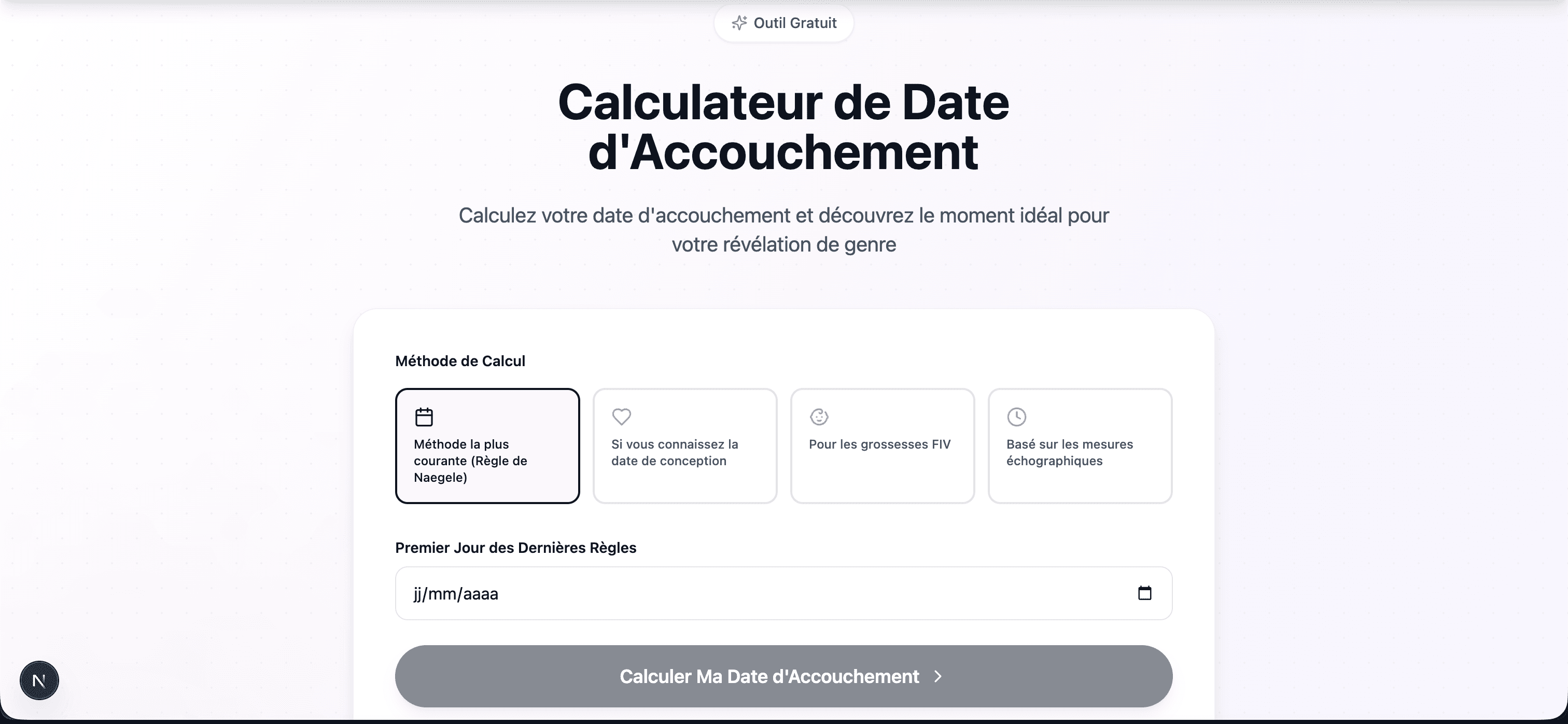
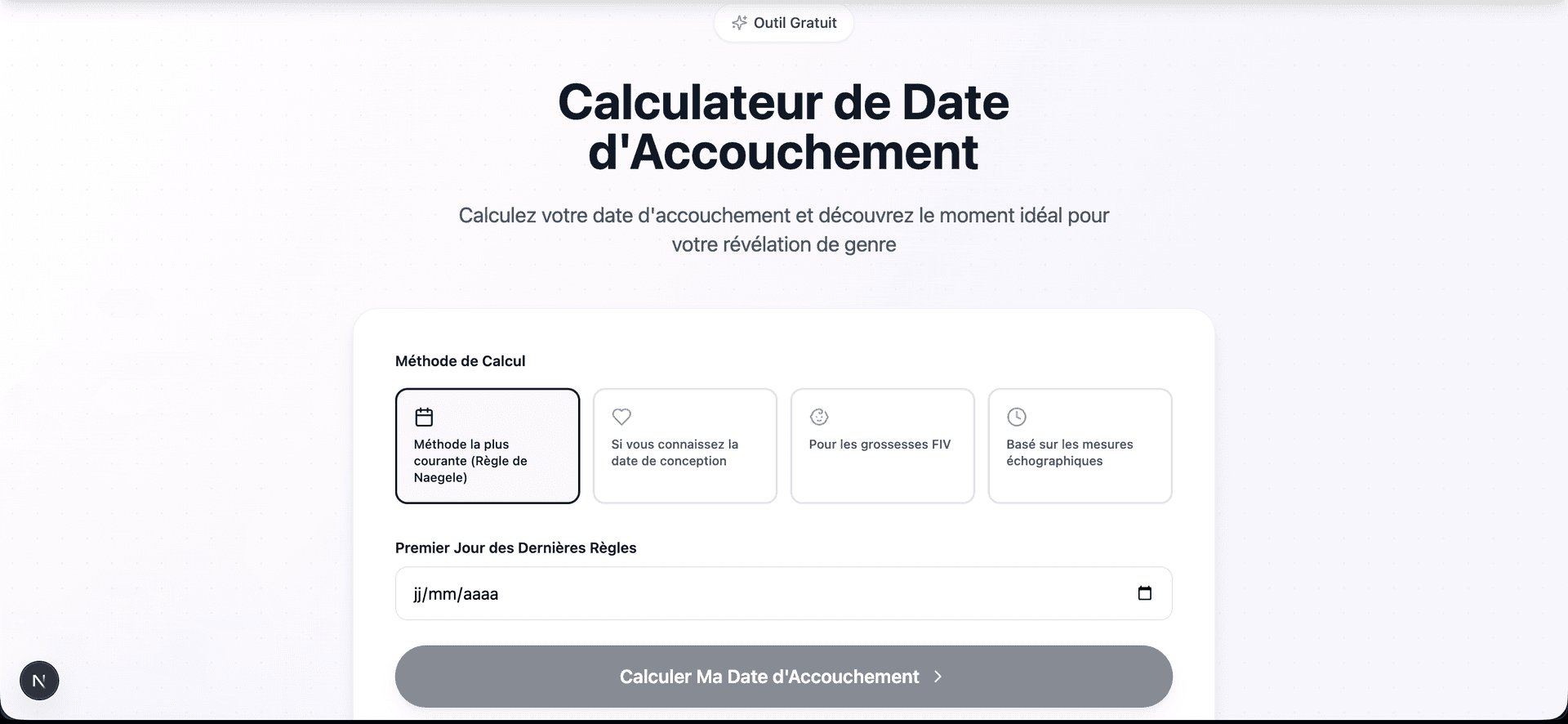
Try Our Free Due Date Calculator
- Your estimated due date
- Current weeks and days pregnant
- Your trimester information
- Key pregnancy milestones
- Your ideal gender reveal window (weeks 18-22)
Understanding Your Results
The 40-Week Timeline
A full-term pregnancy is considered 40 weeks, divided into three trimesters:
| Trimester | Weeks | Key Developments |
|---|---|---|
| First | 1-12 | Organ formation, heartbeat begins |
| Second | 13-27 | Movement felt, gender visible on ultrasound |
| Third | 28-40 | Rapid growth, preparation for birth |
When Can You Find Out the Gender?
Some parents opt for earlier testing:
- NIPT blood test: As early as 10 weeks
- CVS: 10-13 weeks (if medically indicated)
- Amniocentesis: 15-20 weeks (if medically indicated)
Planning Around Your Due Date
Once you know your due date, you can plan important pregnancy milestones:
First Trimester (Weeks 1-12)
- Schedule your first prenatal appointment
- Begin prenatal vitamins if you haven't already
- Plan how and when to announce your pregnancy
Second Trimester (Weeks 13-27)
- Schedule your anatomy scan (18-22 weeks)
- Plan your gender reveal party
- Start thinking about baby names
- Begin nursery planning
Third Trimester (Weeks 28-40)
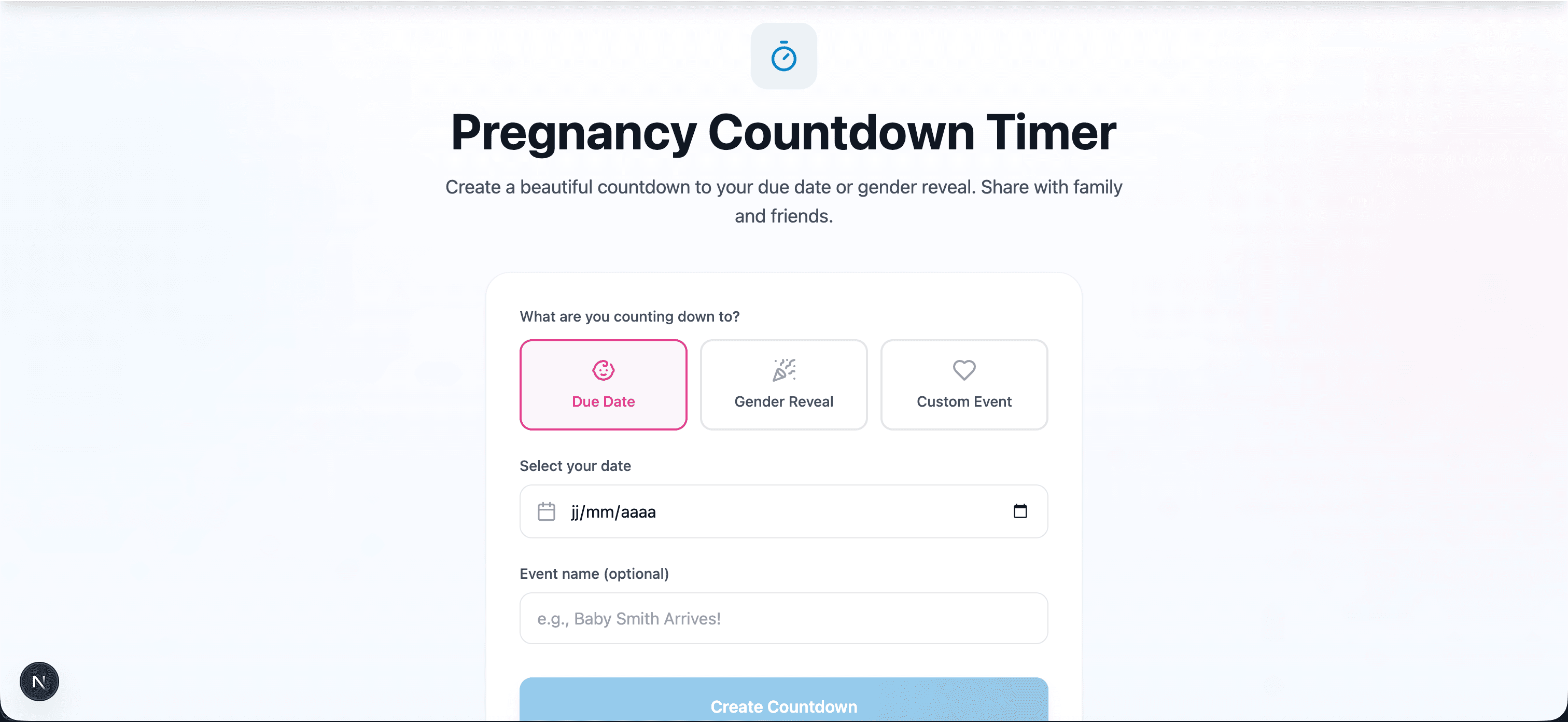
- Create your pregnancy countdown to share with family
- Finalize birth plan
- Pack your hospital bag
- Install the car seat
Important Notes About Due Dates
Remember these key points:
-
Only 5% of babies arrive on their due date. Most healthy babies are born within two weeks before or after.
-
Your due date may be adjusted. Early ultrasounds can refine your EDD if measurements differ significantly from LMP calculations.
-
"Full term" is now defined as 39-40 weeks. Babies born at 37-38 weeks are considered "early term."
-
Every pregnancy is unique. Trust your healthcare provider's guidance for your specific situation.
What Happens When Methods Disagree
It is common for your LMP date and your ultrasound measurement to produce different due dates—sometimes by a week or more. Understanding why this happens helps you know which number to trust.
- Irregular menstrual cycles, meaning ovulation happened earlier or later than day 14
- Uncertainty about the exact start date of the last period
- A very early or late-implanting embryo
- Normal variation in fetal growth rates
The takeaway: if your LMP and ultrasound dates disagree, do not panic. Discuss the discrepancy with your provider and ask which date they plan to use going forward. Having a clear "official" due date in your chart matters because it anchors all subsequent scheduling decisions.
Due Date vs. Actual Birth Date: The Real Statistics
The numbers break down like this for spontaneous, uncomplicated pregnancies:
- Only about 5% of babies are born on their exact due date
- About 50% of babies are born within one week before or after the due date
- About 80% are born within two weeks of the due date
- The remaining 20% fall outside that window but are still considered medically normal
- First-time parents tend to go slightly past their due date on average—often by 3-5 days
- Subsequent pregnancies tend to arrive slightly earlier
Think of your due date as the center of a four-week delivery window: two weeks before and two weeks after. Planning major events (gender reveals, baby showers, maternity leave, family visits) works best when you build buffer around this window rather than locking into a single date.
For your gender reveal, this is liberating rather than limiting. The anatomy scan that confirms the sex happens between weeks 18 and 22—well before the delivery window uncertainty matters. Plan your reveal for shortly after that scan and enjoy the celebration without factoring in delivery timing at all.
Timing Your Gender Reveal Around Your Due Date
Knowing both your due date and your anatomy scan window creates a natural content and planning calendar. Here is how the two relate:
For virtual reveals using RevealTogether, timing is much more flexible—a synchronized online reveal can be organized in a few days, so you can plan it for any point after learning the sex.
Due Date Calculation Tools and Apps: A Comparison
You have many options for calculating and tracking your due date. Here is how the most common ones compare:
Ready to Calculate Your Due Date?
Once you know your dates, explore our other free tools:
- Baby Name Generator - Find the perfect name from 2,000+ options
- Pregnancy Countdown Timer - Share your countdown with loved ones
- Create Your Gender Reveal - Plan the perfect virtual celebration
Frequently Asked Questions
How accurate is a due date calculator?
Due date calculators are estimates based on average pregnancy length. About 80% of babies are born within 10 days of their due date, but only 5% arrive exactly on the predicted date.
Can my due date change?
Yes, your healthcare provider may adjust your due date based on early ultrasound measurements, especially if they differ from LMP calculations by more than a week.
What if I don't know my last period date?
An early ultrasound can accurately determine your due date by measuring your baby's size. This is often the most reliable method for those with irregular cycles.
When should I plan my gender reveal?
What if my LMP and ultrasound due dates are different?
This is common. A difference of less than 5 days is usually ignored. A difference of 6 or more days in the first trimester usually prompts your provider to update the due date to match the ultrasound. Ask your provider which date appears in your chart—that is your official EDD.
Is it normal to deliver before my due date?
Yes. About half of all births happen before the due date and half after. Births between 39 and 40 weeks are considered ideal. Births from 37 to 38 weeks are called early term. Anything before 37 weeks is preterm and warrants closer medical attention.
Disclaimer: This calculator provides estimates for informational purposes only. Always consult with your healthcare provider for medical advice about your pregnancy.